Buying a Condo vs Townhouse vs Detached Home in Kelowna: Which is Right for You?

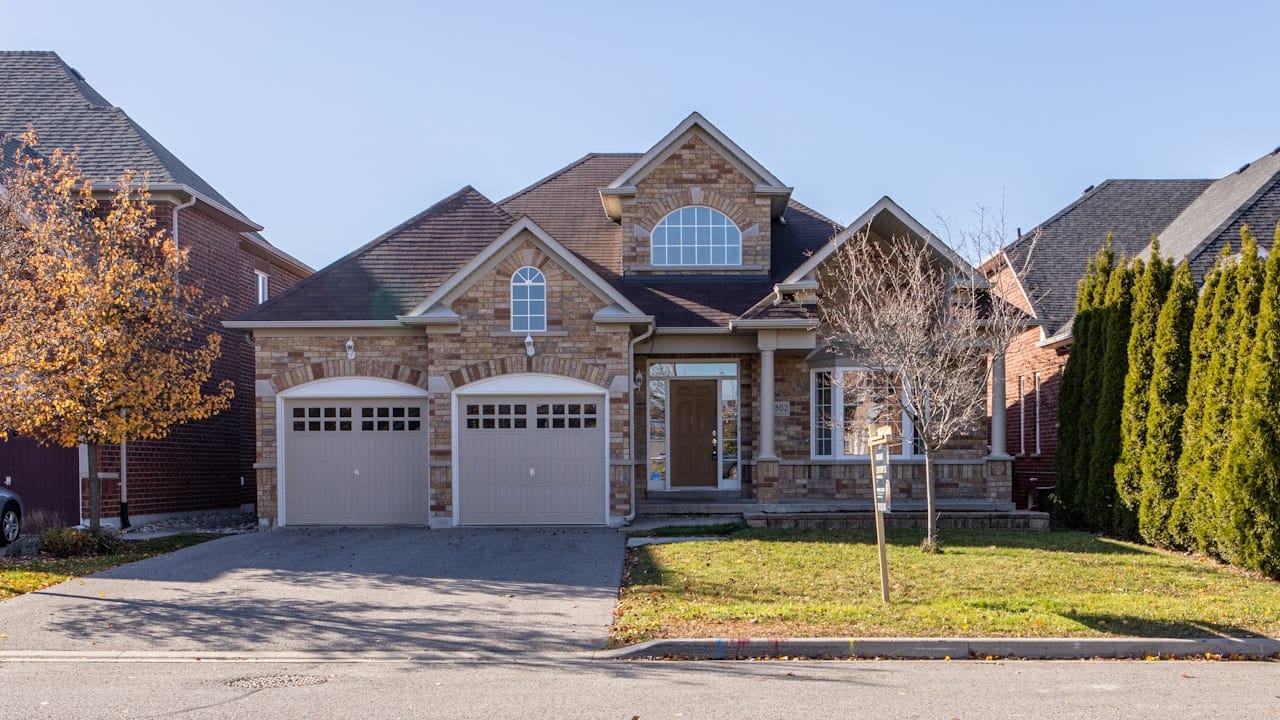
If you're looking at real estate in Kelowna, one of the first decisions you'll face is the property type question. Condo vs townhouse vs house in Kelowna isn't just about price. It's about how you want to live, what you're willing to maintain, and how much flexibility you need for the future. Each property type comes with a different cost structure, a different lifestyle, and a different set of trade-offs that can affect your finances for years to come.
Kelowna's market makes this decision even more interesting right now. As of December 2025, the benchmark price for a single-family home in Kelowna sat at $1,045,700, while townhouses came in at $675,700 and condos at $470,600, according to Association of Interior Realtors data reported by KelownaNow. That's a spread of over $575,000 between the cheapest and most expensive option. But the sticker price only tells part of the story.
Let's break down what each property type actually costs to own, how they compare on lifestyle, and which one makes the most sense depending on where you are in life.
What Kelowna Condos Actually Cost (Beyond the Purchase Price)
Condos are the most accessible entry point into Kelowna's real estate market. With average sale prices hovering around $479,000 to $491,000 through mid-to-late 2025, they're where most first-time buyers and downsizers start their search. Downtown Kelowna has become the city's condo hub, with high-rise projects like ONE Water Street and Ellis Parc driving new inventory. But condos also pop up across Rutland, Glenmore, and the Lower Mission.
The purchase price, though, is just the beginning. Strata fees in Kelowna are a significant monthly expense that many buyers underestimate. In Kelowna, strata fees average roughly $0.35 per square foot per month, though they can range from $0.20 for a basic townhouse complex to $0.50 or more for a newer high-rise with amenities. For a typical 800-square-foot, one-bedroom condo, that works out to roughly $280 per month on the low end and $400 or more on the higher end. Buildings with pools, gyms, concierge services, or elevators tend to sit at the top of that range.
What do those fees cover? In most Kelowna stratas, your monthly payment funds building insurance, landscaping, snow removal, water and sewer, maintenance of common areas (hallways, lobbies, parking garages, elevators), and contributions to the contingency reserve fund. That CRF is critical. It's the pool of money set aside for major future repairs like roof replacements, parkade waterproofing, or elevator upgrades. A healthy reserve fund can save you from surprise special levies down the road.
Here's what strata fees typically don't cover: your electricity (provided by BC Hydro or FortisBC depending on your area), your personal contents and liability insurance, internet, and in some buildings, natural gas heating. So when you're budgeting, add those on top.
On the plus side, your property taxes on a condo will be significantly lower than a detached home because the assessed value is lower. For context, the City of Kelowna's 2025 municipal property tax for the average residential property valued at $973,000 was roughly $2,592. A condo assessed at $470,000 would pay proportionally less.
Kelowna condos are also currently sitting in a strong buyer's market. Months of inventory for apartments in Kelowna climbed to around 10 months by mid-2025, well above the 5 to 6 months typically considered balanced. That means buyers have negotiating power, more selection, and less pressure to rush into a decision.
Kelowna Townhomes: The Middle Ground That's Gaining Popularity
Townhouses in Kelowna occupy a sweet spot that appeals to a wide range of buyers. They offer more space than a condo, often include a small yard or patio, and usually come with a garage or dedicated parking. You get the feel of a house without the full maintenance burden or the detached-home price tag.
The benchmark price for a Kelowna townhome landed at $675,700 in December 2025. That's roughly $200,000 more than a condo and $370,000 less than a detached home. Average sale prices through mid-2025 hovered around $729,000, with median prices closer to $685,000, reflecting a range from newer builds in the Upper Mission or Dilworth down to older complexes in Rutland and Glenmore.
Townhouses are strata properties too, which means you'll pay monthly strata fees. But they're often lower than condo fees because there are fewer shared amenities. You won't find elevators, lobbies, or concierge desks in a townhouse complex. Instead, your strata fees typically cover exterior maintenance (roof, siding, windows in many cases), landscaping of common areas, snow removal for shared driveways, and the building insurance for the overall structure. A reasonable range for townhouse strata fees in Kelowna is $200 to $400 per month, depending on the age of the complex and what's included.
One thing that catches new buyers off guard with townhouses is the variation in what the strata covers versus what falls on you. In some complexes, the strata handles all exterior maintenance including the roof and windows. In others, certain elements like your individual driveway or backyard are your responsibility. Always read the strata bylaws and the depreciation report before making an offer. The depreciation report outlines the building's components and projects when major repairs will be needed and how much they'll cost.
The lifestyle difference between a townhouse and a condo is significant. Most Kelowna townhomes offer two or three bedrooms, sometimes with a basement or flex space. You'll have more storage, a direct entrance (no shared hallways or elevators), and in many cases, a small fenced yard. For families with young kids or people with pets, that outdoor space can be a dealbreaker.
Appreciation-wise, townhomes have taken a hit recently. The benchmark price dropped 9.5% year over year as of December 2025, and they're down 18.5% from their post-pandemic peak of $829,000 in May 2022. That might sound concerning, but it also means there are genuine opportunities for buyers who plan to hold for the medium to long term.
What Detached Homes in Kelowna Really Cost to Own
A detached single-family home gives you the most space, the most privacy, and the most control. No strata council, no shared walls, no bylaws dictating what colour you can paint your front door. You own the land beneath your feet, and that land is a significant part of what you're paying for.
The benchmark for a detached home in Kelowna closed out 2025 at $1,045,700, down a modest 0.7% from the year before. Average sale prices through July 2025 were around $1,053,775, with significant variation by neighbourhood. Upper Mission and Lower Mission command premiums. Rutland and parts of Southeast Kelowna offer more affordable options within the detached category.
Without strata fees, you might think a detached home is cheaper to maintain. Not exactly. Every cost that a strata corporation would handle for a condo or townhouse now lands entirely on you. That means:
- Roof replacement: $15,000 to $30,000 or more, depending on size and materials, typically needed every 20 to 25 years
- Exterior painting/siding: $5,000 to $15,000 every 8 to 12 years
- Landscaping and snow removal: $200 to $500 per month if you hire it out, or your own time and equipment
- Home insurance: $1,000 to $1,400 per year in Kelowna, often higher than condo unit insurance because you're covering the entire structure
- General maintenance: A common rule of thumb is to budget 1% to 2% of your home's value annually for maintenance. On a million-dollar home, that's $10,000 to $20,000 per year
Property taxes will also be higher on a detached home. For the average Kelowna residential property valued at $973,000, the municipal portion alone was about $2,592 in 2025. A home assessed at $1.1 million or more will pay proportionally more, and that doesn't include the regional district, school, library, and BC Assessment levies that get added to your total bill.
The upside? You're building equity in both the structure and the land. Historically in Kelowna, land values have been the primary driver of long-term appreciation. You also have the option to add a secondary suite (subject to municipal zoning rules), which can generate rental income. A legal basement suite in Kelowna can bring in $1,200 to $2,000 per month depending on the area and finish level, according to Vantage West Property Management data for late 2025.
Comparing Monthly Costs: Condo vs Townhouse vs House in Kelowna
To make this tangible, let's compare the approximate monthly carrying costs for each property type. These numbers assume a 20% down payment, a five-year fixed mortgage rate around 4.5% (reflecting early 2026 rates with the Bank of Canada policy rate at 2.25%), and a 25-year amortization.
Condo (purchase price: $475,000) Mortgage payment (on $380,000): approximately $2,100/month. Strata fees: $300 to $450/month. Property tax: roughly $150 to $200/month. Utilities (electricity, internet): $100 to $150/month. Unit insurance: $40 to $60/month. Estimated total: $2,690 to $2,960/month.
Townhouse (purchase price: $680,000) Mortgage payment (on $544,000): approximately $3,010/month. Strata fees: $250 to $400/month. Property tax: roughly $225 to $275/month. Utilities (electricity, gas, internet): $150 to $200/month. Unit insurance: $50 to $75/month. Estimated total: $3,685 to $3,960/month.
Detached home (purchase price: $1,050,000) Mortgage payment (on $840,000): approximately $4,650/month. Property tax: roughly $350 to $425/month. Utilities (electricity, gas, water, sewer, garbage, internet): $300 to $400/month. Home insurance: $85 to $120/month. Maintenance reserve (1% of value annually): $875/month. Estimated total: $6,260 to $6,470/month.
These are estimates, and your actual numbers will vary based on your specific property, interest rate, and spending habits. But the gap is real. A detached home can cost more than double a condo in monthly carrying costs. That's money that could go toward investments, travel, or simply a less stressful financial life.
Lifestyle and Long-Term Fit: Which Property Type Matches Your Life?
The financial comparison matters, but so does how you actually want to live. This is where the condo vs townhouse vs house decision gets personal.
Condos suit you if you value a low-maintenance lifestyle, you're comfortable with shared living, and you want to be close to downtown Kelowna's restaurants, shops, and the waterfront. They're ideal for young professionals, investors looking for rental properties near UBCO or downtown, and retirees who want to lock-and-leave without worrying about yard work. The trade-off is less space, less privacy, and the reality that your neighbours are literally on the other side of the wall. You'll also live within the rules set by the strata council, which can include restrictions on pets, rentals, renovations, and noise.
Kelowna townhomes work well if you need more room than a condo provides but aren't ready for the full financial and physical commitment of a detached home. They're popular with young families, couples planning to start families, and people who want a garage and a small yard without the overhead of a full property. Many of Kelowna's newer townhome developments in areas like Glenmore, Black Mountain, and Dilworth offer modern finishes and efficient layouts that maximize livable space.
Detached homes make sense if you need significant space, want full control over your property, or plan to generate income through a secondary suite. They're the go-to for established families, people who work from home and need dedicated office space, hobby enthusiasts who want a workshop or large garage, and anyone who simply values having no shared walls and no strata rules. The trade-off is higher costs, more maintenance responsibility, and typically a location farther from downtown (unless your budget stretches into the $1.3 million-plus range for central neighbourhoods).
Think honestly about your next five to ten years. Are you likely to stay put, or could a job change or growing family force a move? Condos and townhouses are generally easier to maintain but may take longer to sell in a soft market. Detached homes in desirable Kelowna neighbourhoods tend to hold their value better but require more capital upfront and ongoing.
How Property Types in Kelowna Have Performed Over Time
Understanding how each property type in Kelowna has appreciated (or not) can help set realistic expectations.
Detached homes peaked at a benchmark of $1,131,800 in April 2022, pulled back, and ended 2025 at $1,045,700, a decline of about 7.5% from the peak. Zoom out further, though, and the long-term trajectory is strong. In 2020, the average detached home sold for around $858,741 before surging 22.3% in a single year during the pandemic boom.
Townhomes have been the hardest hit since the peak, declining 18.5% from their May 2022 high of $829,000 to $675,700 by December 2025. That correction reflects unsustainable pandemic-era growth, but it also means there are genuine buying opportunities for patient, long-term holders.
Condos have been more resilient in percentage terms, with the benchmark falling about 15.6% from its April 2022 peak of $557,700 to $470,600 by December 2025.
Keep in mind that appreciation percentages don't tell the whole story. A 5% gain on a $475,000 condo is about $23,750. A 5% gain on a $1,050,000 house is $52,500. Higher-priced properties generate more absolute dollar growth at the same rate, which is partly why detached homes are often seen as better wealth-building assets.
Making Your Decision: A Practical Framework
Rather than agonizing over which property type is "best" (there's no universal answer), run through these questions:
What can you actually afford? Not just the purchase price, but the full monthly carrying cost including strata fees, property taxes, insurance, utilities, and maintenance. Use the comparison above as a starting point, then get a mortgage pre-approval and stress-test your budget at a higher rate.
How long do you plan to stay? If it's less than five years, buying a condo or townhouse might make more sense because the lower entry cost means less exposure to short-term price fluctuations. If you're planting roots for a decade or more, a detached home gives you more room to grow into and more control over your investment.
What's your tolerance for maintenance? If you'd rather spend weekends at the lake than mowing the lawn and cleaning gutters, strata living removes that burden. If you enjoy home projects and want the freedom to renovate without asking permission, a detached home is your lane.
Do you need income potential? A detached home with a legal secondary suite can offset a significant chunk of your mortgage. Condos can work as rentals too, but check the strata bylaws carefully. Some Kelowna strata corporations restrict or limit rentals, which directly affects your options.
What does your household look like now, and what might it look like in five years? A one-bedroom condo works perfectly for a single professional. It won't work when there's a toddler, a dog, and a home office competing for 700 square feet.
There's no wrong answer here, only the answer that fits your budget, your lifestyle, and your plans. Kelowna's buyer's market heading into 2026 means you have the luxury of time and selection regardless of which property type you choose.
If you're leaning toward a condo, make sure you understand strata fees in BC before making an offer. For a full walkthrough of the buying process, check out our buyer's guide or explore Kelowna neighbourhoods to find the right area.
Share this article